
When people think about hiring a plumber, they often picture someone fixing a leak or unclogging a drain. But behind those everyday tasks lies a profession that demands skill, patience, and resilience. Plumbing is essential to modern living, ensuring clean water flows in and waste flows out safely. Without it, homes and businesses would quickly become unlivable.
Understanding the challenges plumbers face helps homeowners appreciate the complexity of the job and the value of professional service. From physical labor to problem solving under pressure, plumbing involves far more than meets the eye. This article explores the toughest aspects of the trade and why it requires both technical expertise and mental toughness to succeed.
The Physical Demands of Plumbing Work
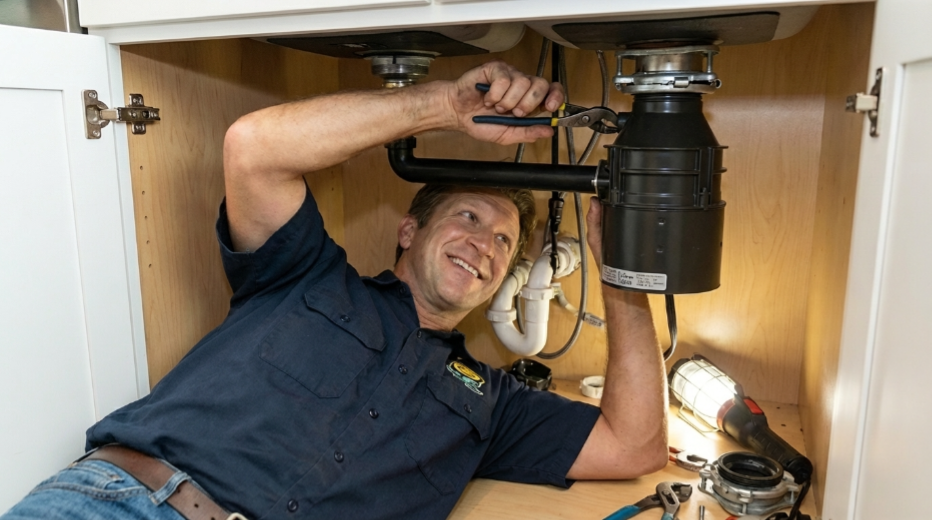
One of the hardest parts of plumbing is the physical toll it takes on the body. A plumber spends long hours lifting heavy equipment, crawling into tight spaces, and working in awkward positions. Whether it is under sinks, inside walls, or in crawl spaces, the job requires constant movement and strength.
The work can also involve exposure to extreme temperatures. Plumbers may work outside in the heat or cold, or inside poorly ventilated areas. Over time, this physical strain can lead to fatigue and even injury if proper care is not taken.
Despite these challenges, experienced professionals develop techniques to protect their bodies. They use proper lifting methods and rely on tools designed to reduce strain. Still, the physical nature of the job remains one of the most demanding aspects of being in the plumbing industry.
Diagnosing Hidden Problems
Another difficult aspect of plumbing is identifying the root cause of issues that are not immediately visible. A leak behind a wall or a blockage deep within pipes cannot always be seen directly. This requires a plumber to think critically and use diagnostic tools to locate the problem.
Unlike straightforward repairs, hidden issues often involve trial and error. Plumbers must rely on their knowledge and experience to narrow down possibilities. This can be time consuming and requires patience.
Accurate diagnosis is crucial because a wrong assumption can lead to unnecessary repairs or missed problems. The ability to assess a situation quickly and correctly is a skill that takes years to develop, making it one of the most challenging parts of the job.
Working in Unpleasant Conditions
Plumbing work often involves dealing with environments that are far from comfortable. This can include exposure to wastewater, mold, or strong odors. These conditions are not only unpleasant but can also pose health risks if proper precautions are not taken.
A plumber must be prepared to handle these situations professionally. Protective gear such as gloves, masks, and boots is essential. Even with safety measures in place, the nature of the work can still be uncomfortable.
This aspect of plumbing requires mental resilience. Not everyone is willing to work in such conditions, which is why skilled plumbers are highly valued. Their ability to remain focused and effective despite the environment sets them apart.
Emergency Calls and Irregular Hours
Plumbing problems do not follow a schedule. Burst pipes, overflowing toilets, and major leaks can happen at any time. As a result, plumbers often need to respond to emergencies outside of regular working hours.
This unpredictability can make it difficult to maintain a consistent routine. Late night calls and weekend work are common in the industry. A plumber must be ready to act quickly, even under pressure.
Handling emergencies requires both technical skill and the ability to stay calm. Customers are often stressed when facing urgent issues, and plumbers must provide reassurance while solving the problem efficiently. This combination of urgency and responsibility adds to the difficulty of the job.
Keeping Up with Codes and Regulations
Plumbing is not just about fixing pipes. It also involves adhering to local building codes and safety regulations. These rules are in place to ensure that systems are installed and maintained correctly.
A plumber must stay updated on any changes to these regulations. This requires ongoing education and attention to detail. Failing to comply with codes can lead to fines or unsafe conditions.
Understanding and applying these rules correctly is a complex task. It adds another layer of responsibility to the profession, making it more challenging than many people realize.
The Complexity of Modern Plumbing Systems
Today’s plumbing systems are more advanced than ever. They often include high efficiency fixtures, smart technology, and complex layouts. While these innovations improve performance, they also increase the difficulty of installation and repair.
A plumber must be familiar with a wide range of systems and tools. This requires continuous learning and adaptation. Each job can present unique challenges depending on the setup.
The ability to work with both traditional and modern systems is essential. This complexity keeps the job interesting but also adds to the level of expertise required to succeed.
Customer Expectations and Communication
Working with customers is another challenging aspect of plumbing. Homeowners expect quick solutions and clear explanations. A plumber must be able to communicate effectively and manage expectations.
Not all customers understand the complexity of plumbing work. This can lead to misunderstandings or unrealistic demands. Handling these situations requires patience and professionalism.
Building trust is key. A plumber who can explain the problem and the solution clearly is more likely to earn customer confidence. Strong communication skills are just as important as technical ability in this field.
Balancing Speed and Quality
Plumbing jobs often require a balance between working quickly and maintaining high quality. Customers want fast results, especially during emergencies. However, rushing can lead to mistakes.
A skilled plumber knows how to manage time effectively without compromising on workmanship. This involves planning, attention to detail, and experience.
Delivering reliable results under time pressure is not easy. It is one of the reasons why experienced professionals stand out in the industry. Their ability to maintain quality while working efficiently is a key part of their expertise.
Continuous Learning and Skill Development
The plumbing industry is constantly evolving. New tools, materials, and techniques are introduced regularly. A plumber must stay updated to remain competitive.
This means investing time in training and education. Learning does not stop after initial certification. It is an ongoing process throughout a plumber’s career.
Adapting to change can be challenging, but it is also rewarding. It allows professionals to expand their skills and provide better service. This commitment to growth is essential for long term success in plumbing.
Conclusion
Plumbing is a demanding profession that goes far beyond basic repairs. From physical labor and complex diagnostics to emergency response and customer communication, each aspect presents its own challenges. The hardest part about plumbing is not just one task but the combination of skills, endurance, and knowledge required to handle every situation effectively.
For residents in Caldwell, having a reliable professional makes all the difference. Smiley Drain Plumbing & Drain Cleaning of Essex County is dedicated to delivering expert service with professionalism and care. If you need assistance, contact them at +1 973-764-5393. Choosing an experienced plumber ensures your plumbing system is handled with precision and reliability, giving you peace of mind when it matters most.
https://cindythomas1963.podbean.com/e/what-is-the-hardest-part-about-plumbing
https://www.podomatic.com/podcasts/cindythomas1963podcast/episodes/2026-05-07T19_56_04-07_00
