Some plumbing problems can wait for a scheduled appointment, while others need immediate attention to prevent property damage or disruption. Emergency plumbing services are intended for urgent situations that cannot reasonably wait for routine repairs. Knowing which problems may require emergency assistance can help homeowners respond quickly when something goes wrong.
Plumbing emergencies can involve water leaks, burst pipes, sewage backups, overflowing fixtures, or a complete loss of water. These issues can worsen quickly, particularly when water is entering walls, ceilings, floors, or other areas of a property.
Understanding the warning signs of a plumbing emergency can help you determine when professional assistance may be necessary. Prompt action can also help limit the extent of water damage and restore important plumbing functions.
Burst or Severely Damaged Pipes
Burst pipes are among the plumbing problems that may require immediate professional attention. A damaged pipe can release a significant amount of water into a home or building, potentially affecting floors, walls, ceilings, and personal belongings.
Pipe failures can happen because of corrosion, physical damage, freezing temperatures, excessive pressure, or deterioration over time. The amount of water released can vary depending on the location and size of the damaged section.
If a pipe suddenly breaks, shutting off the appropriate water supply can help limit additional water flow while professional assistance is arranged. The affected area should then be assessed to determine the source and extent of the problem.
Major Water Leaks
Not every leak requires emergency service, but a large or rapidly spreading leak can become urgent. Water escaping from a supply line, fixture, appliance connection, or other plumbing component can cause substantial damage if it continues unchecked.
Signs of a serious leak can include pooling water, wet flooring, damp walls, water stains, or a sudden increase in water flow. Hidden leaks can be especially concerning because they may continue behind walls or beneath floors without being immediately visible.
When a leak cannot be controlled or is causing significant water accumulation, contacting a professional can help identify the source and determine the appropriate repair.
Sewage Backups
Sewage backups require prompt attention because wastewater can enter sinks, tubs, toilets, floors, or other areas of a property. Besides disrupting normal plumbing use, sewage can create sanitation concerns.
A backup may be associated with a blocked drain, damaged sewer line, tree root intrusion, or another issue within the drainage system. Multiple drains becoming slow or backing up at the same time can indicate a larger drainage problem.
Avoiding contact with wastewater and limiting use of affected plumbing fixtures can help prevent the situation from becoming worse. Professional assessment may be necessary to identify the blockage or underlying sewer problem.
Overflowing Toilets
An overflowing toilet can quickly spread water across a bathroom floor. If the overflow continues and cannot be stopped, the situation may require emergency plumbing assistance.
A blockage is a common reason for an overflowing toilet, but other problems can also affect how the fixture operates. Repeated overflowing or backups may indicate an issue deeper within the drainage system.
If the toilet is overflowing, stopping the water supply to the fixture can help limit additional water while the problem is addressed. If the blockage cannot be resolved safely or keeps returning, a professional can inspect the toilet and connected drainage system.
No Water Throughout the Property
A complete loss of water can also require urgent attention, particularly when the issue affects the entire property rather than a single fixture. The cause could involve a plumbing failure, damaged supply line, shutoff problem, or another issue.
Before assuming there is an internal plumbing failure, homeowners can check whether neighboring properties are experiencing the same interruption. A broader service interruption may be related to the local water supply rather than the property’s plumbing.
If the problem appears isolated to the property and basic checks do not identify the cause, professional assistance can help determine where the water supply is being interrupted.
Serious Drainage Problems
A single slow drain may not always be an emergency, but widespread drainage problems can indicate a more significant blockage. When several fixtures drain slowly or back up at the same time, the issue may involve a larger section of the plumbing system.
Ignoring recurring drainage problems can allow the condition to worsen. Water that cannot move properly through the drainage system may eventually back up into sinks, tubs, showers, or toilets.
A professional inspection can help determine whether the problem involves a localized blockage or a larger drainage issue. This is particularly important when multiple fixtures are affected simultaneously.
Water Heater Leaks
A leaking water heater can become an urgent plumbing concern, especially when water is accumulating around the unit. Continued leakage can damage nearby flooring and other property components.
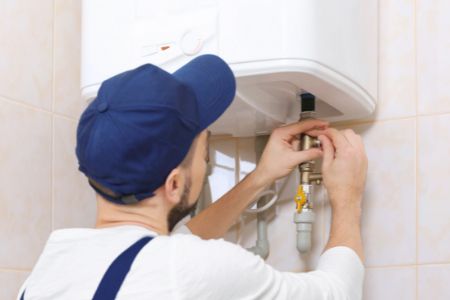
The source of the leak is important because different problems can require different repairs. Leaks may originate from connections, valves, tanks, or other components.
If a water heater is leaking significantly, avoid attempting repairs beyond basic safety measures unless you are qualified to do so. A professional can assess the unit and determine whether repair or replacement is appropriate.
Gas Odor Near Plumbing Equipment
Some properties use gas-powered water heaters or other gas appliances. If a strong gas odor is noticed near plumbing equipment, it should be treated as a safety concern rather than an ordinary plumbing repair.
Leave the area and follow appropriate local emergency procedures if you suspect a gas leak. Avoid creating sparks, operating electrical switches, or using flames near the suspected source.
Gas-related emergencies may require the involvement of the gas utility or emergency services rather than a standard plumbing appointment. Once the area has been made safe, qualified professionals can determine whether plumbing equipment contributed to the problem.
When Is a Plumbing Problem Truly an Emergency?
The urgency of a plumbing problem generally depends on factors such as the amount of water involved, the possibility of property damage, sanitation concerns, and whether essential plumbing functions have been interrupted.
A small faucet drip may usually be handled through routine scheduling, while a burst pipe releasing water throughout a building may require immediate assistance. Similarly, a minor drain slowdown differs significantly from wastewater backing up into living areas.
When deciding whether to seek urgent service, consider whether the problem is actively worsening or creating a risk of significant damage. If water cannot be controlled or wastewater is entering the property, professional assistance should be considered promptly.
What Should You Do Before a Plumber Arrives?
Taking basic steps while waiting for professional assistance can help reduce further damage. If it is safe to do so, shut off the appropriate water supply and move vulnerable belongings away from affected areas.
Avoid using plumbing fixtures connected to a suspected sewer backup or serious drainage blockage. For electrical equipment near standing water, avoid contact and seek appropriate professional assistance.
Take note of where the problem started and any changes you have observed. This information can help the plumber understand the situation and begin the diagnostic process more efficiently.
Conclusion
Plumbing emergencies can range from burst pipes and major leaks to sewage backups, overflowing toilets, severe drainage problems, and leaking water heaters. Recognizing these situations early can help property owners take appropriate action before the problem causes additional disruption or damage.
Emergency plumbing is particularly important when water cannot be controlled, wastewater is entering the property, or an essential plumbing system has stopped functioning. Basic steps such as shutting off the water supply, when safe, can help while professional assistance is arranged.
For plumbing concerns in Caldwell, Smiley Drain Plumbing and Drain Cleaning can be contacted at +1 973-764-5393 to discuss your plumbing needs. Prompt professional assessment can help identify the source of an urgent plumbing problem and determine the appropriate repair.
