
Frozen pipes can create serious plumbing issues, especially during periods of extremely cold weather. When water freezes inside a pipe, it expands and increases pressure, potentially causing cracks, leaks, or complete pipe bursts. These problems can quickly lead to water damage and costly repairs if they are not addressed promptly. Homeowners dealing with frozen pipes may need emergency plumbing services to prevent further damage and restore their water supply. Understanding why pipes freeze, recognizing early warning signs, and knowing what steps to take can help protect your plumbing system. Whether you have noticed reduced water pressure or suspect a frozen pipe, taking the right precautions can make a significant difference in preventing a small issue from becoming a major plumbing emergency.
Why Do Pipes Freeze During Cold Weather?
Pipes freeze when temperatures drop low enough to turn the water inside them into ice. This commonly happens in unheated areas such as basements, crawl spaces, garages, attics, and exterior walls. Pipes with limited insulation are particularly vulnerable because they are exposed to colder temperatures.
When water freezes, it expands and creates pressure inside the pipe. This pressure can eventually damage the pipe material, resulting in cracks or bursts. Homeowners in Caldwell should pay attention to plumbing areas that are exposed to cold air during winter.
Can Frozen Pipes Actually Burst?
Yes, frozen pipes can burst when expanding ice creates excessive pressure inside the plumbing system. The blockage may prevent water from flowing normally while pressure builds between the frozen section and a closed faucet or another obstruction.
A burst pipe can release significant amounts of water once the ice begins to thaw. Even a small crack can cause substantial property damage if it goes unnoticed. Professional emergency plumbing assistance can help locate damaged sections, repair leaks, and prevent additional problems.
What Are the Warning Signs of Frozen Pipes?
Recognizing frozen pipes early can help homeowners avoid more serious plumbing damage. One common warning sign is reduced water flow or no water coming from a faucet. You may also notice unusual noises when turning on taps or visible frost forming on exposed pipes.
Other signs include unpleasant odors coming from drains, unusual moisture around plumbing connections, or unusually cold sections of pipe. If multiple faucets suddenly stop working during freezing weather, a frozen water line may be responsible. Addressing these symptoms early can help reduce the risk of pipe damage.
Which Areas of Your Home Are Most Vulnerable?
Certain areas of a home are more likely to experience frozen pipes because they receive less heat and insulation. Garages, basements, crawl spaces, and exterior walls are common problem areas. Plumbing located near windows, doors, and poorly insulated spaces may also be exposed to freezing temperatures.
Outdoor faucets and water supply lines are particularly vulnerable during winter. Homeowners should inspect these areas before temperatures drop. Adding insulation and sealing openings that allow cold air inside can help protect exposed plumbing and reduce the likelihood of unexpected repairs.
What Should You Do If You Suspect a Frozen Pipe?
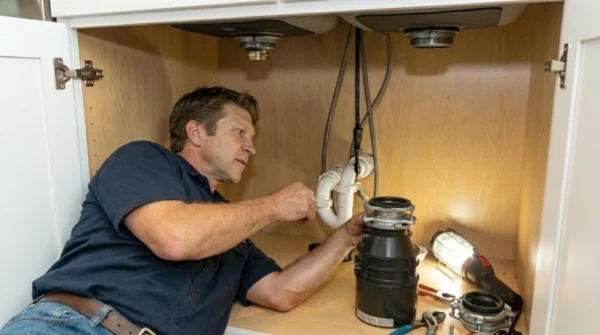
If you suspect a frozen pipe, avoid ignoring the problem or forcing water through the affected plumbing. Check nearby faucets to determine whether water flow has decreased or stopped completely. If you discover a leak or burst pipe, shut off the main water supply if it is safe to do so.
Keep the affected area accessible and contact a qualified plumber for assistance. Avoid using open flames or other unsafe heating methods to thaw pipes. Professional emergency plumbing services can assess the situation and recommend appropriate repairs without creating additional damage.
How Can Frozen Pipes Cause Water Damage?
Frozen pipes can cause water damage when cracks or ruptures release water into surrounding areas. Once the ice melts, water may spread through walls, ceilings, floors, insulation, and personal belongings. Damage can become more extensive when leaks occur in concealed plumbing locations.
Standing water and prolonged moisture exposure can also contribute to mold growth and structural deterioration. Addressing leaks quickly is important for limiting these consequences. Professional plumbing repairs and proper water cleanup can help homeowners prevent further complications.
Can Frozen Pipes Affect Your Water Heater?
Frozen water supply lines can interfere with the normal operation of a water heater. When cold water cannot reach the unit properly, the system may experience reduced performance or an interruption in hot water availability.
In some situations, frozen pipes near the water heater can also increase pressure or contribute to plumbing leaks. Homeowners should avoid attempting complicated repairs without understanding the system. A professional plumber can inspect the connections, identify frozen sections, and determine whether the water heater or surrounding plumbing requires attention.
How Can You Prevent Pipes From Freezing?
Preventing frozen pipes starts with protecting vulnerable plumbing before cold weather arrives. Insulating exposed pipes in basements, garages, crawl spaces, and other unheated areas can help maintain safer temperatures. Sealing gaps around windows, doors, and exterior plumbing openings can also reduce exposure to cold air.
During particularly cold weather, maintaining adequate indoor heating is important. Homeowners should also disconnect outdoor hoses and protect exterior faucets. Regular plumbing inspections can identify insulation problems and other vulnerabilities before they develop into expensive repairs.
When Should You Call an Emergency Plumber?
You should contact a professional plumber when frozen pipes cause significant water pressure changes, suspected pipe damage, or visible leaks. A complete loss of water in certain parts of your home may also indicate a frozen plumbing line that requires professional attention.
If a pipe bursts, turn off the main water supply when safe and seek immediate assistance. Waiting too long can increase property damage and repair expenses. A qualified plumber can inspect the affected plumbing, address the underlying issue, and help restore normal water flow.
Why Is Professional Plumbing Repair Important?
Professional plumbing repair helps ensure frozen pipes are handled safely and correctly. Experienced plumbers have the knowledge and equipment to locate frozen sections, identify cracks, and determine whether pipes need repair or replacement.
Attempting complicated repairs without proper experience can create additional plumbing problems. Professional assistance also helps identify other vulnerable areas that may freeze again. Working with a reliable local plumbing company can provide homeowners with practical solutions for protecting their plumbing system throughout the winter season.

Frequently Asked Questions
Can frozen pipes thaw on their own?
Yes, frozen pipes may thaw when temperatures increase, but waiting can be risky if the pipe has already developed cracks. A professional inspection can help identify potential damage.
How long does it take for pipes to freeze?
Pipes can freeze within several hours when exposed to sufficiently low temperatures. The exact time depends on insulation, pipe location, and surrounding conditions.
Should I turn off my water if my pipes freeze?
If you suspect a burst pipe or discover a leak, shut off the main water supply when it is safe to do so. Contact a plumber to inspect the affected plumbing.
Can frozen pipes cause low water pressure?
Yes, ice can restrict water movement through plumbing lines and reduce water pressure. A complete blockage may prevent water from reaching certain faucets.
Does homeowners insurance cover frozen pipe damage?
Coverage depends on your insurance policy and the circumstances surrounding the damage. Review your policy or contact your insurance provider to understand your coverage.
Conclusion
Frozen pipes can cause serious plumbing problems, including restricted water flow, cracked pipes, unexpected leaks, and extensive water damage. Understanding the warning signs and taking preventive measures can help homeowners protect their plumbing systems during colder months. Proper insulation, maintaining indoor temperatures, and inspecting vulnerable plumbing areas are important steps toward avoiding freezing issues. When pipes freeze or show signs of damage, contacting a qualified professional can help prevent additional complications. Prompt emergency plumbing assistance is especially important when a pipe bursts or water begins leaking into your home. Taking action early can reduce repair costs, protect your property, and help maintain a dependable plumbing system throughout the winter season.
Contact Smiley Drain Plumbing for Plumbing Assistance in Caldwell
Frozen pipes and unexpected plumbing problems can disrupt your daily routine and put your property at risk. Smiley Drain Plumbing provides plumbing assistance for homeowners in Caldwell who need dependable solutions for plumbing concerns. Whether you are experiencing reduced water flow, suspected frozen pipes, or leaking plumbing connections, getting professional attention can help you address the problem.
Don’t wait for a minor plumbing issue to become a bigger concern. Contact Smiley Drain Plumbing at 973-764-5393 to discuss your plumbing needs and arrange professional assistance in Caldwell.
