
A plumbing emergency can happen without warning, causing water damage, disrupting daily routines, and creating unexpected repair expenses. Whether you are dealing with a burst pipe, overflowing toilet, severe leak, or backed-up drain, knowing what to do can help protect your home and prevent the problem from getting worse. Understanding when to seek emergency plumbing assistance is especially important for homeowners in Caldwell who need fast and reliable solutions. Taking the right steps before a professional arrives can minimize property damage and make repairs easier. From shutting off your water supply to identifying the source of the problem, a calm and informed response can make a significant difference. This guide explains what to do during a plumbing emergency and when to contact a qualified plumber for professional assistance.
Recognize the Signs of a Plumbing Emergency
The first step is identifying whether a plumbing problem requires immediate attention. Some issues, such as minor faucet drips, can wait for a scheduled appointment, while major leaks, burst pipes, and sewage backups require faster action.
Watch for signs like rapidly spreading water, unusual pipe noises, sudden drops in water pressure, and water collecting around plumbing fixtures. These problems may indicate a more serious issue within your plumbing system.
Recognizing these warning signs early helps homeowners make informed decisions and determine when professional assistance is necessary.
Shut Off the Main Water Supply
If water is leaking from a pipe or fixture, locate your home’s main water shutoff valve and turn it off. This stops additional water from entering the plumbing system and helps limit flooding and property damage.
The main shutoff valve is commonly located near where the water supply enters the home, such as a basement, utility area, or garage. Knowing its location before an emergency happens can save valuable time.
For isolated problems, you may be able to turn off the individual fixture’s supply valve. However, if you cannot identify the source of the leak, shutting off the main supply is a sensible precaution.
Turn Off Electricity When Necessary
Water and electricity create serious safety hazards. If flooding reaches electrical outlets, appliances, extension cords, or electrical equipment, avoid entering the affected area.
If it is safe to access your electrical panel without stepping into water or touching wet equipment, turn off power to the affected area. Otherwise, contact a qualified electrician or emergency services for assistance.
Never handle electrical switches or appliances while standing in water. Prioritizing personal safety is more important than attempting to save household belongings during a plumbing emergency.
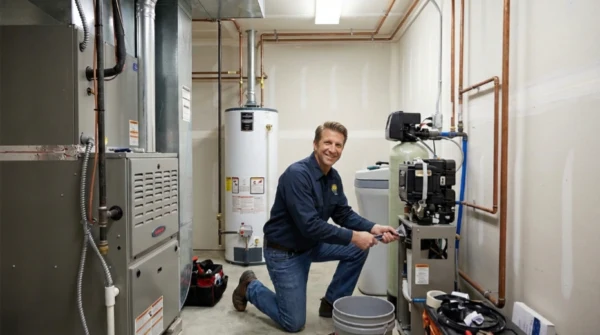
Identify the Source of the Problem
Once the immediate situation is under control, try to identify where the problem is coming from. Check visible pipes, faucets, toilets, sinks, water heaters, and drains for signs of leaks or unusual activity.
Look for water stains, damp walls, ceiling discoloration, pooling water, or unpleasant odors that could indicate hidden plumbing damage. Avoid removing pipes or attempting complicated repairs without the proper knowledge.
Providing your plumber with accurate information about the problem can help them understand the situation and prepare the appropriate tools and materials.
Protect Your Belongings From Water Damage
Water can quickly damage furniture, electronics, flooring, documents, and other household belongings. If it is safe to do so, move valuable items away from the affected area.
Use towels, buckets, or other available materials to collect small amounts of water and prevent it from spreading. For larger flooding situations, avoid entering unsafe areas or attempting cleanup without professional guidance.
Taking photographs of visible damage can also help document the situation for insurance purposes. Acting quickly can reduce the amount of damage while you wait for professional assistance.
Avoid Using Affected Plumbing Fixtures
When a plumbing emergency occurs, avoid using fixtures connected to the affected pipes or drains. Continuing to use a clogged toilet, backed-up sink, or damaged water line may make the situation worse.
For example, flushing a toilet during a sewer backup can cause additional wastewater to enter your home. Similarly, running water through a damaged pipe can increase leakage and flooding.
Until the problem has been inspected, limit water usage in the affected area. A professional plumber can determine when the plumbing system is safe to use again.
Contact a Professional Emergency Plumber
Some plumbing problems require specialized equipment, technical knowledge, and immediate professional attention. Contacting an experienced plumber helps ensure the issue is properly diagnosed and addressed.
When requesting emergency plumbing service, explain what happened, where the problem is located, and whether you have already shut off the water supply. Mention any flooding, unusual odors, or visible damage.
A qualified plumber can inspect the affected system, identify the underlying cause, and recommend appropriate repairs. Professional assistance can also help prevent recurring problems caused by incomplete or temporary fixes.
Understand Common Plumbing Emergency Repairs
Different plumbing emergencies require different repair approaches. Burst pipes may need replacement sections, while overflowing toilets can involve blockages or faulty internal components.
Sewer backups may require professional drain cleaning and inspection to identify obstructions or damaged sewer lines. Water heater leaks may also require specialized attention to determine whether the unit or its connections need repair.
Understanding the type of problem can help homeowners communicate effectively with their plumber. Avoid assuming that every plumbing issue has the same solution, as the correct repair depends on the source and severity of the damage.

Prevent Future Plumbing Emergencies
Although not every plumbing problem is avoidable, regular maintenance can reduce the likelihood of unexpected failures. Inspect exposed pipes, monitor water pressure, and address small leaks before they develop into larger issues.
Avoid pouring grease, food waste, and inappropriate materials down household drains. These substances can contribute to blockages and eventually cause drainage problems.
Scheduling routine plumbing inspections can also help identify worn components, hidden leaks, and developing concerns. Preventive maintenance helps homeowners maintain reliable plumbing systems and reduce the chances of needing urgent repairs.
Frequently Asked Questions
What should you do first during a plumbing emergency?
Identify the immediate danger and shut off the main water supply if a leak or burst pipe is involved. Keep away from electrical hazards and contact a professional plumber.
When should you call an emergency plumber?
Call immediately if you experience burst pipes, significant flooding, sewage backups, or major water leaks. These problems can cause extensive damage if left untreated.
Can you fix a plumbing emergency yourself?
Simple actions like shutting off the water supply may help control the situation temporarily. However, complicated plumbing problems should be handled by qualified professionals.
Does emergency plumbing service cost more?
Emergency services may cost more than standard appointments because of urgent scheduling, after-hours availability, and the complexity of repairs. Request a service estimate before work begins.
How can you prevent plumbing emergencies at home?
Schedule regular inspections, maintain your drains, monitor water pressure, and repair minor leaks promptly. These steps can help identify potential problems before they become serious.
Conclusion
Knowing what to do during a plumbing emergency can help homeowners protect their property and reduce unnecessary damage. Shutting off the water supply, avoiding electrical hazards, protecting valuable belongings, and limiting the use of affected fixtures are important first steps. Recognizing serious plumbing problems and contacting a qualified professional can also prevent temporary issues from developing into costly repairs. Regular maintenance and inspections provide additional protection by identifying potential concerns early. For homeowners in Caldwell, having access to dependable emergency plumbing assistance makes it easier to respond when unexpected problems occur. Taking preventive measures and acting quickly can help maintain a safe, functional, and reliable plumbing system.
Get Professional Plumbing Help From Smiley Drain Plumbing
When unexpected plumbing problems disrupt your home, Smiley Drain Plumbing is ready to help homeowners in Caldwell address their plumbing concerns. Whether you are dealing with a leaking pipe, clogged drain, or another urgent plumbing issue, getting professional assistance can make a difference.
Don’t let a plumbing problem become a bigger headache. Contact Smiley Drain Plumbing at 973-764-5393 to discuss your plumbing needs and arrange professional service. Reach out today for dependable plumbing assistance in Caldwell.
