Plumbing problems are a common challenge for homeowners, and knowing how to handle minor issues can save time, money, and stress. While some repairs require professional help, many everyday problems can be identified and managed with basic knowledge. A professional plumber often deals with issues such as clogged drains, leaking faucets, and low water pressure—problems that frequently occur in residential plumbing systems. Understanding the causes of these common issues can help homeowners prevent damage and keep their plumbing system running efficiently. Simple maintenance and early detection can make a big difference in avoiding costly repairs. In this guide, we’ll explore practical tips and advice that can help you address common household plumbing problems while also understanding when it’s time to contact a trusted plumber for professional assistance.
Understanding the Most Common Plumbing Problems at Home
Many homeowners encounter plumbing issues at some point, whether it’s a slow drain, a dripping faucet, or a running toilet. These problems may seem minor at first, but if ignored, they can develop into more serious and costly repairs. Understanding the most common household plumbing problems can help you respond quickly and prevent damage to your home. Clogged drains are one of the most frequent issues in kitchens and bathrooms. Hair, soap residue, grease, and food particles often build up in pipes over time. This buildup restricts water flow and eventually leads to slow drainage or complete blockage. Leaking faucets are another common concern. Even a small drip can waste a significant amount of water over time. The cause is often worn washers or damaged internal components that need replacement. Running toilets can also increase water bills if left unresolved. This problem typically occurs due to faulty flappers or float mechanisms inside the toilet tank. While many of these issues can be addressed with simple fixes, more complicated situations may require the expertise of a professional plumber. Recognizing these problems early is the first step toward maintaining a healthy plumbing system in your home.
How to Fix a Leaky Faucet
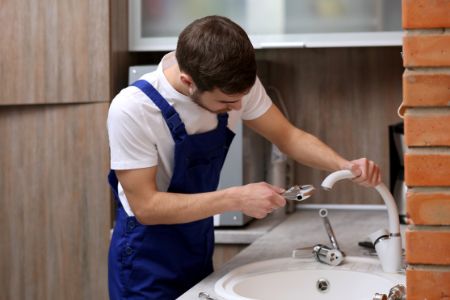
A leaky faucet may appear harmless, but it can waste gallons of water over time and increase your monthly utility bill. Fortunately, fixing this issue is often straightforward if you understand the basic components of a faucet. The most common cause of a dripping faucet is a worn-out washer or damaged O-ring. These small rubber parts create a seal that prevents water from leaking when the faucet is turned off. Over time, they wear down due to constant use and water pressure. To fix the issue, start by turning off the water supply under the sink. Next, remove the faucet handle and carefully disassemble the faucet components. Inspect the washer, O-ring, and cartridge for signs of wear or damage. Replacing these parts is usually inexpensive and can restore the faucet’s functionality. After replacing the damaged components, reassemble the faucet and turn the water supply back on. Check for leaks and ensure the handle operates smoothly. If the problem persists despite replacing the necessary parts, there may be a deeper issue within the plumbing system. In such cases, consulting a qualified plumber can help identify and resolve the underlying problem effectively.
Clearing Clogged Drains Safely and Effectively
Clogged drains are one of the most frustrating plumbing problems homeowners face. They can cause water to back up in sinks, showers, and tubs, creating inconvenience and potential hygiene concerns. Fortunately, many minor clogs can be cleared safely using simple methods. One of the easiest solutions is using a plunger. A plunger creates pressure that helps dislodge debris blocking the pipe. Make sure there is enough water in the sink or tub to cover the plunger’s rubber cup before applying steady pressure. Another effective method is using a mixture of baking soda and vinegar. This natural solution helps break down grease, soap buildup, and organic debris in the pipes. After pouring the mixture into the drain, follow it with hot water to flush away loosened materials. It’s important to avoid using harsh chemical drain cleaners frequently, as they can damage pipes over time. Instead, focus on preventative measures such as using drain covers to catch hair and food particles. If clogs occur repeatedly or water drains extremely slowly, the blockage may be deeper in the plumbing system. In these situations, professional tools and expertise are often required to remove the obstruction completely.
Dealing with Low Water Pressure in Your Home
Low water pressure can make everyday tasks like showering, washing dishes, and doing laundry frustrating. This problem can occur for several reasons, including mineral buildup, pipe corrosion, or hidden leaks within the plumbing system. One common cause is mineral deposits that accumulate in faucet aerators and showerheads. Over time, these deposits restrict water flow and reduce pressure. Removing and cleaning the aerator or showerhead with vinegar can often solve the problem. Another potential cause is partially closed shutoff valves. If the valves controlling water flow into your home are not fully open, water pressure may drop significantly. Checking these valves is a quick and easy step that homeowners can take. Leaks in pipes can also lead to pressure loss. Even a small leak can reduce the amount of water reaching fixtures throughout the house. If cleaning fixtures and checking valves does not improve water pressure, the issue may be more complex. Aging pipes, hidden leaks, or problems with the municipal water supply may require professional inspection and repair.

Fixing a Running Toilet Quickly
A running toilet is more than just an annoying sound—it can waste hundreds of gallons of water each day. Fortunately, this issue is often caused by simple mechanical problems inside the toilet tank. The flapper valve is one of the most common culprits. This rubber component controls the release of water from the tank into the bowl during flushing. If the flapper becomes worn, warped, or misaligned, water may continuously leak into the bowl. Another possible cause is an improperly adjusted float. The float regulates the water level in the tank. If it is set too high, water may flow into the overflow tube and keep the toilet running.To fix the problem, remove the tank lid and inspect the flapper and float mechanism. Replacing a worn flapper or adjusting the float level usually resolves the issue quickly. Regular inspection of toilet components can help prevent recurring problems. Addressing a running toilet promptly not only conserves water but also keeps your plumbing system functioning efficiently.
Preventing Pipe Leaks and Water Damage
Pipe leaks can cause significant damage to walls, floors, and ceilings if left unchecked. Detecting and preventing leaks early is essential for protecting your home and avoiding expensive repairs. One of the most effective ways to prevent leaks is by regularly inspecting exposed pipes under sinks, behind appliances, and in basements. Look for signs of moisture, corrosion, or small drips. Even minor leaks can worsen over time. Temperature changes can also affect pipes, particularly in colder climates where freezing conditions may cause pipes to expand and crack. Insulating exposed pipes helps reduce this risk and protects your plumbing system during winter months. Maintaining proper water pressure is another important factor. Excessively high pressure can place stress on pipes and joints, increasing the likelihood of leaks. Installing a pressure regulator can help maintain safe levels. Routine maintenance and early detection are key to avoiding serious water damage. Addressing small issues before they escalate can save homeowners considerable time and expense.
Simple Maintenance Tips for Healthy Plumbing
Regular plumbing maintenance plays a crucial role in preventing unexpected issues and extending the lifespan of your system. Many homeowners overlook routine care until a problem occurs, but consistent maintenance can significantly reduce the risk of major repairs. Start by being mindful of what goes down your drains. Avoid pouring grease, oils, or food scraps into kitchen sinks, as these substances can solidify and clog pipes. In bathrooms, using drain strainers can help catch hair and debris before they cause blockages. Flushing your water heater annually can also improve efficiency and prevent sediment buildup. Over time, minerals accumulate inside the tank and may affect its performance. Another helpful practice is periodically checking water pressure levels and inspecting visible plumbing connections for leaks. Small signs of wear or corrosion should be addressed immediately. Developing simple maintenance habits helps homeowners maintain a reliable plumbing system and avoid unexpected disruptions in daily life.
When to Call a Professional Plumbing Expert
While many minor plumbing issues can be handled with basic tools and knowledge, some problems require professional expertise. Recognizing when to seek help can prevent further damage and ensure repairs are completed safely. Major pipe leaks, sewer line issues, and persistent drain blockages often require specialized equipment and training. Attempting to fix these problems without proper experience can sometimes make the situation worse.
Water heater malfunctions are another situation where professional assistance is recommended. Improper repairs can lead to safety hazards or reduce the system’s efficiency. Professional inspections are also valuable for identifying hidden problems that may not be immediately visible. Early detection of pipe corrosion, leaks, or pressure issues can prevent costly repairs later. Knowing when to seek expert help ensures that complex plumbing problems are resolved correctly and efficiently, protecting both your home and your plumbing system.
Conclusion
Maintaining a functional plumbing system requires awareness, regular maintenance, and timely repairs. Many common household issues—such as clogged drains, leaking faucets, running toilets, and low water pressure—can often be addressed with simple solutions. Understanding these problems and knowing how to respond can help homeowners prevent damage and maintain efficient water use. However, some plumbing issues require professional expertise to ensure long-term solutions. If you are dealing with persistent plumbing problems or need reliable service, Smiley Drain Plumbing and Drain Cleaning proudly serves homeowners in Caldwell with dependable plumbing solutions. Their experienced team is ready to help diagnose and fix plumbing issues quickly and effectively. For professional assistance or to schedule a service, contact 9737645393 and get expert help for your plumbing needs today.
https://cindythomas1963.podbean.com/e/local-plumber-tips-for-fixing-common-household-plumbing-issues
https://www.podomatic.com/podcasts/cindythomas1963podcast/episodes/2026-03-11T01_34_19-07_00
soundcloud.com/smiley-drain-plumbing/local-plumber-tips-for-fixing
