
A leaking pipe or plumbing fixture can start as a small inconvenience and quickly become a serious problem. Emergency plumbing may be necessary when a leak is causing significant water damage, cannot be controlled, or threatens the safety and condition of a property.
Knowing when a leak requires immediate professional attention can help reduce potential damage. Some minor drips may be manageable until regular service is available, while rapidly spreading water or a burst pipe may require urgent action.
Understanding the warning signs can help homeowners respond appropriately. Acting quickly when a leak becomes severe can help limit water exposure and protect floors, walls, ceilings, fixtures, and other areas of the property.
When Is a Plumbing Leak an Emergency?
A plumbing leak can become an emergency when water is escaping rapidly or cannot be stopped using the available shutoff valve. A sudden burst pipe, major supply-line leak, or large amount of water entering the property requires prompt attention.
Leaks that are spreading into walls, ceilings, floors, or electrical areas can also require immediate professional assistance. Water can travel beyond the location where the leak first becomes visible.
The severity of the leak matters more than its location alone. A small, contained drip may not require emergency service, while a leak that is rapidly increasing or causing significant damage should be addressed as soon as possible.
What Are Signs of a Serious Water Leak?
Visible water is not the only indication of a plumbing leak. Damp walls, wet ceilings, bubbling paint, water stains, musty odors, or unexplained puddles can indicate that water is escaping somewhere behind or beneath a surface.
A sudden decrease in water pressure may also occur when a significant supply-line leak develops. Unusually high water usage can be another indication of an ongoing leak.
If these signs appear suddenly or continue to worsen, professional inspection can help determine the source. Finding the source early may help prevent the affected area from experiencing additional water exposure.
What Should I Do When a Pipe Bursts?
A burst pipe can release a large amount of water in a short period. The first priority is to locate and close the appropriate water shutoff valve if it can be safely accessed.

After stopping the water supply, move items away from the affected area when possible and avoid electrical equipment or outlets that may have been exposed to water. If water is near electrical systems, professional assistance may be necessary before entering the affected area.
Contacting a plumber promptly can help identify the damaged section and determine what repairs are needed. Waiting while water continues to flow can increase the extent of property damage.
When Should I Call Emergency Plumbing Services?
Emergency plumbing is appropriate when a leak is severe, rapidly spreading, or causing immediate property damage. Examples can include burst pipes, major supply-line leaks, uncontrollable water flow, and leaks that threaten important areas of a property.
A leak that cannot be stopped with an accessible shutoff valve may also require urgent professional attention. The same applies when the source of the leak cannot be identified and water continues accumulating.
When deciding whether to seek emergency service, consider how quickly the water is spreading and whether the property could sustain additional damage. Prompt professional evaluation can help determine the appropriate repair.
Can a Small Leak Become a Bigger Problem?
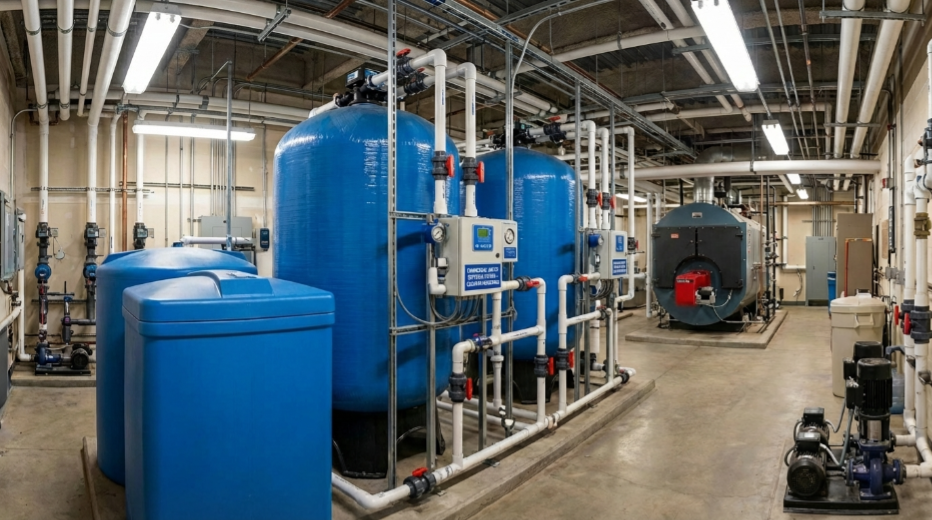
Yes. A small leak can worsen because of deteriorating pipes, damaged connections, corrosion, pressure changes, or movement in plumbing components. The rate at which a leak develops can vary depending on its cause and location.
Even a slow leak can allow moisture to accumulate over time. Persistent moisture may affect building materials and contribute to unpleasant odors or other property concerns.
A small drip does not always require emergency service, but it should not automatically be ignored. Having recurring or unexplained leaks inspected can help identify the source before the condition becomes more serious.
What If the Leak Is Inside a Wall or Ceiling?
Leaks behind walls or above ceilings can be difficult to locate because the visible water may appear some distance from the actual source. Water can travel along building materials before becoming noticeable.
Signs may include discoloration, damp spots, bubbling surfaces, peeling paint, or water dripping through a ceiling. These conditions can indicate that water is accumulating in an area that cannot be easily inspected.
If water is actively entering a wall or ceiling, contacting a professional promptly is important. Identifying and repairing the plumbing source can help prevent continued water exposure.
Should I Wait Until Regular Business Hours?
Whether you can wait depends on the severity of the leak. A minor drip that has been completely contained may be suitable for a regular appointment, while an active leak that continues releasing water may require immediate assistance.
Consider whether the leak is increasing, whether the water can be safely shut off, and whether it is affecting important areas of the property. If water continues flowing despite reasonable attempts to control it, waiting may allow the damage to increase.
When the situation is unclear, describing the symptoms to a plumbing professional can help determine how urgently the problem should be addressed.
How Can I Reduce Damage Before the Plumber Arrives?
If it is safe to do so, shutting off the water supply can help limit additional water exposure. The appropriate shutoff may be located near the affected fixture or at the property’s main water supply.
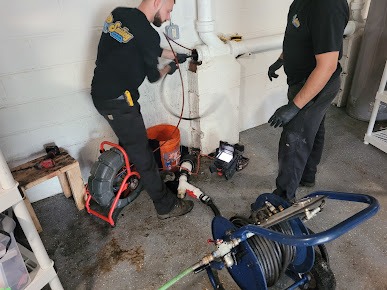
You can also move furniture, boxes, electronics, and other belongings away from the affected area when possible. Avoid handling electrical equipment or entering areas where standing water may create an electrical hazard.
Documenting where the water is appearing and when the problem started can also provide useful information to the plumber. Do not attempt complicated repairs if doing so could worsen the leak or create a safety risk.
How Do Plumbers Find the Source of a Leak?
Plumbers can use visual inspection, plumbing knowledge, and appropriate diagnostic methods to determine where water is coming from. The visible location of water does not always indicate the exact source.
The plumber may inspect exposed pipes, connections, fixtures, valves, and other accessible components. Depending on the situation, additional methods may be used to investigate concealed plumbing.
Once the source has been identified, the plumber can explain the repair options. The required repair depends on the type of plumbing component involved and the cause of the leak.
How Can Future Plumbing Leaks Be Prevented?
Regular attention to plumbing fixtures and visible pipes can help identify developing problems. Homeowners can watch for corrosion, moisture, dripping fixtures, damaged connections, and changes in water pressure.
Addressing minor leaks instead of allowing them to continue can also help prevent them from becoming more serious. Plumbing components that repeatedly leak may require professional evaluation.
Understanding the location of the property’s water shutoff valve is also useful. Knowing how to stop the water supply can help reduce the amount of water released during a plumbing emergency.
Conclusion
Knowing when to call a plumber for a leak can help protect a property from unnecessary water damage. Emergency plumbing may be needed when a pipe bursts, water cannot be controlled, a leak is rapidly spreading, or water is entering walls, ceilings, floors, or other sensitive areas.
Minor leaks may sometimes be handled through a regular service appointment, but recurring or unexplained leaks should still be inspected. If a serious leak occurs, shutting off the water when it is safe to do so and moving belongings away from the affected area can help limit damage.
For plumbing concerns in Caldwell, Smiley Drain Plumbing and Drain Cleaning can be contacted at +1 973-764-5393 to discuss a plumbing or drain-related issue and determine the appropriate next step.
